


-- GotRot Calls Attention to Crawl Space Moisture Risks in Greater Seattle Homes Ahead of Rainy Season
Seattle-area dry rot contractor encourages homeowners to check crawl spaces for water intrusion, damaged vapor barriers and moisture-related wood deterioration before fall rainfall intensifies.
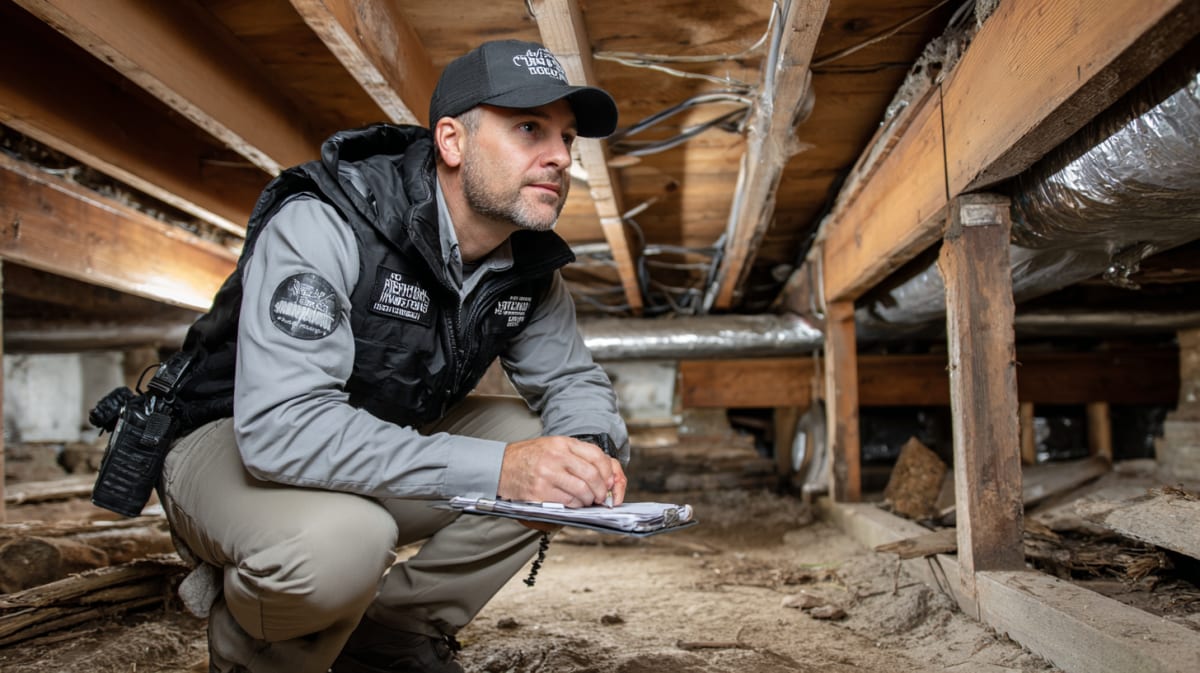
SEATTLE, Wash., Aug. 27, 2026 — GotRot, a Greater Seattle contractor specializing in dry rot and moisture-related structural repair, is calling attention to crawl space moisture problems as Western Washington approaches the wettest part of the year.
Crawl spaces can remain out of sight for months while water collects beneath the home, insulation becomes damp or wood framing stays wet long enough to deteriorate. GotRot is encouraging homeowners who have noticed musty odors, standing water, sagging insulation, soft wood or changes in their floors to have the space checked before prolonged fall rainfall adds more moisture to an existing problem.
In Greater Seattle, the shift into fall means homes are exposed to longer stretches of wet weather and fewer opportunities to dry out between storms. Crawl spaces are especially vulnerable when drainage around the foundation is poor, a vapor barrier is damaged, or water is already finding its way beneath the house. Moisture that lingers there can keep insulation, subflooring and structural wood damp for extended periods, allowing a small seasonal issue to develop into a more expensive repair. Home drainage has to move that water away from the foundation. A damaged vapor barrier, poor grading, leaking plumbing, clogged drainage or water entering around the foundation can allow moisture to remain beneath the house after the weather above ground has changed.
"Crawl spaces are easy to ignore because most homeowners do not have a reason to go under their house until something feels wrong upstairs," said Mark Kovalevich, owner of GotRot. "We have seen moisture problems that started below the house show up as a musty smell, damaged insulation or wood that has already begun to deteriorate. Fall is a good time to find out whether the crawl space is actually staying dry before it has to handle months of regular rain."
A crawl space can stay damp even when there is no obvious leak. Moisture from exposed soil can evaporate into the space and raise humidity around insulation, subflooring and wood framing, especially when ventilation or drainage is poor. The EPA warns that high-humidity crawl spaces are common places for hidden mold growth, which is why homeowners should pay attention to persistent musty odors, damp insulation, condensation or wood that feels unusually soft. The fix starts with finding where the moisture is coming from and keeping the space dry, not simply treating the visible mold or damaged material.
A homeowner does not need a moisture meter to recognize that something may be wrong. Standing water after rain, a persistent earthy or musty odor, insulation hanging down or appearing wet, visible fungal growth, soft or discolored joists, and floors that have begun to sag or feel different underfoot can all justify a closer inspection.
"The first question is not, 'What product should we put in the crawl space?' The first question is, 'Where is the moisture coming from?'" said Darik Kovalevich, partner at GotRot. "A new vapor barrier will not correct water that is being directed toward the foundation. Replacing a damaged joist will not solve a plumbing leak. Crawl space repair has to match the source of the problem."
GotRot evaluates crawl spaces to determine where the moisture is coming from and what, if anything, needs to be repaired. Depending on the conditions under the home, that may include improving drainage, replacing a damaged vapor barrier, repairing moisture-damaged framing, encapsulating the crawl space or adding dehumidification. Greater Seattle homeowners who are unsure what is happening beneath their home can schedule a free crawl space assessment and no-obligation estimate with GotRot before committing to repairs.
Homeowners can also perform several basic checks from outside the crawl space. Gutters should discharge properly, downspouts should move water away from the foundation, and soil around the home should not direct runoff back toward the structure. Water appearing repeatedly beneath the house after rain is a reason to investigate where it is entering rather than treating it as a normal part of living in Western Washington. Crawl space moisture can be especially difficult to catch because the first visible damage may not appear in the crawl space opening. Floor framing sits directly above the space, and plumbing lines, insulation and structural connections can conceal early deterioration from everyday view.
"Seattle homeowners are used to rain, but the house still has to manage that rain correctly," Mark Kovalevich said. "Water under the home should not be treated as normal just because we live in the Pacific Northwest. If the same area gets wet every winter, there is usually a reason, and finding that reason early gives the homeowner more options."
GotRot recommends particular attention to crawl spaces in homes with a history of drainage problems, previous plumbing leaks or recurring water beneath the house. Older or displaced vapor barriers should also be checked because exposed soil can continue adding moisture to crawl space air even when there is no obvious pool of water. The company cautions homeowners against assuming that every damp crawl space requires the same solution. Some properties need better exterior water management. Others may have localized leakage, damaged wood or an existing moisture-control system that is no longer performing as intended.
"You can spend a lot of money treating what you can see and still leave the source untouched," Darik Kovalevich said. "Our job is to determine whether we are dealing with ground moisture, water intrusion, plumbing, drainage or damaged building materials, and then repair the conditions we can actually verify."
GotRot provides crawl space inspections and repair for homeowners dealing with recurring moisture, standing water, damaged vapor barriers, deteriorated framing and other problems beneath the home. Free assessments and no-obligation estimates are available for Greater Seattle homeowners, with the recommended repair scope based on the source and extent of the moisture problem.
Homeowners can learn more about crawl space repair and moisture-related structural damage at igotrot.com.
About GotRot
GotRot is a Washington contractor specializing in dry rot repair and moisture-related building restoration. Founded in 2023, the company operates from locations in Everett and Woodinville and serves residential and commercial properties across Greater Seattle, the Eastside and Snohomish County. GotRot provides dry rot inspection and repair, siding and deck repair, wood frame restoration, roof and water leak repair, window and door repair, and crawl space repair. The company is licensed and insured and backs its work with a 24-month warranty.
Media Contact
Mark Kovalevich
Owner, GotRot
Phone: (206) 990-0303
Email: admin@igotrot.com
Website: igotrot.com
Contact Info:
Name: Mark Kovalevich
Email: Send Email
Organization: GotRot
Phone: (206) 990-0303
Website: https://igotrot.com
Release ID: 89201707

 Google
 RSS
RSS